


ALL >> Health >> View Article
How Bone Quality Influences Dental Implant Outcomes



Introduction
Dental implants are widely regarded as one of the most reliable and long-lasting solutions for replacing missing teeth. They look natural, function like real teeth, and help preserve the health of your jaw and surrounding teeth.
However, the long-term success of an implant depends on more than simply placing a titanium post into the jawbone. One of the most important factors is the quality and quantity of the bone supporting it.
Healthy bone provides the stable foundation needed for an implant to integrate successfully and withstand the forces of everyday chewing.
If the bone is too thin, too soft, or has deteriorated over time, additional treatment may be required before an implant can be placed safely.
If you're considering dental implants, understanding how bone quality affects treatment can help you appreciate why a thorough assessment is an essential first step toward achieving a strong, healthy, and long-lasting smile.
Why Bone ...
... Quality Matters for Dental Implants
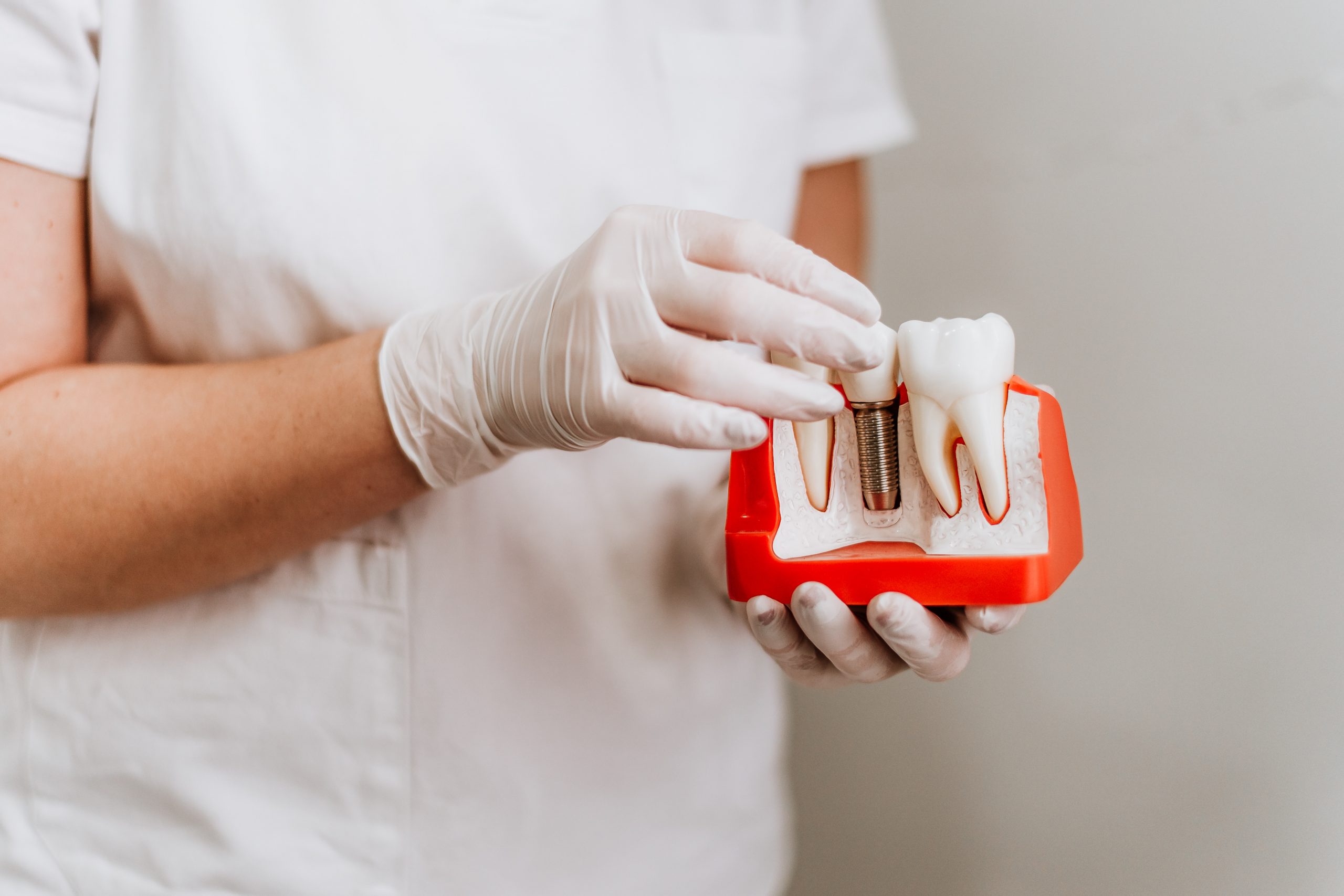
A dental implant works by replacing the root of a missing tooth. Once placed into the jawbone, it gradually bonds with the surrounding bone through a natural healing process known as osseointegration.
For this process to occur successfully, the implant needs adequate bone support. Strong, healthy bone stabilizes the implant during healing and continues supporting it for many years after treatment.
When bone quality is poor, several challenges may arise:
Reduced implant stability
Longer healing times
Increased risk of implant failure
Greater likelihood of additional procedures before implant placement
This is why your dentist carefully evaluates your jawbone before recommending dental implants.
Understanding Bone Quality vs Bone Quantity
Patients often assume that having "enough bone" simply means having enough height or width in the jaw. While bone volume is important, bone quality is equally significant.
Bone Quantity
Bone quantity refers to the amount of bone available to support the implant. If there isn't enough bone height or thickness, the implant may not be properly secured.
Bone Quality
Bone quality refers to the density, strength, and health of the bone itself. Dense, healthy bone provides stronger support and generally allows implants to integrate more predictably.
A patient may have sufficient bone volume but poor bone density, which still requires careful treatment planning.
What Causes Bone Loss?
Bone naturally remains healthy when stimulated by the roots of your teeth. Once a tooth is lost, the surrounding jawbone gradually begins to shrink because it no longer receives regular stimulation.
Several factors contribute to bone loss, including:
Missing Teeth
After tooth loss, bone resorption begins almost immediately and continues over time if the tooth is not replaced.
Gum Disease
Advanced periodontal disease destroys both the supporting bone and soft tissues surrounding the teeth.
Trauma
Accidents or facial injuries can damage the jawbone and reduce the available support for implants.
Denture Wear
Long-term denture use, particularly without implant support, may accelerate jawbone shrinkage because dentures sit on top of the gums rather than stimulating the underlying bone.
Medical Conditions
Conditions such as osteoporosis or certain medications can also affect bone density and healing.
Understanding the cause of bone loss helps your dentist recommend the most appropriate treatment.
How Dentists Assess Bone Quality
Before placing an implant, your dentist performs a detailed examination of your oral health and jawbone.
This assessment may include:
Digital X-Rays
Digital X-rays provide valuable information about bone height, surrounding teeth, and overall oral health.
3D CBCT Scans
Cone Beam CT scans create detailed three-dimensional images of the jaw.
These scans allow dentists to evaluate:
Bone density
Bone width
Bone height
Nerve location
Sinus position
Overall implant placement accuracy
This technology greatly improves treatment planning and reduces surgical risks.
Comprehensive Oral Examination
Your dentist will also examine your gums, bite, oral hygiene, and overall dental health to determine whether any existing problems should be treated before implant placement.
Can Dental Implants Still Be Placed With Bone Loss?
Yes. Many patients who have experienced bone loss can still receive dental implants.
Modern implant dentistry offers several techniques that help rebuild or strengthen the jaw before implants are placed.
Rather than automatically ruling out treatment, your dentist will assess whether bone augmentation procedures can create a stable foundation for successful implant placement.
This has made dental implants accessible to many patients who were previously considered unsuitable candidates.
Bone Grafting: Rebuilding the Foundation
Bone grafting is one of the most common procedures performed before dental implant treatment.
A bone graft adds new bone material to areas where bone has deteriorated or become too thin.
Over time, your natural bone integrates with the graft, creating stronger support for future implants.
Bone grafting may be recommended when:
Teeth have been missing for many years.
Gum disease has caused bone loss.
Previous trauma damaged the jaw.
Existing bone is too thin or too soft.
Although this adds an additional stage to treatment, it significantly improves the long-term stability of the implant.
Sinus Lift Procedures
Patients missing upper back teeth sometimes experience bone loss beneath the sinus cavity.
A sinus lift increases the available bone height by gently raising the sinus membrane and placing bone graft material underneath.
This creates adequate space for implant placement while maintaining the health of the sinus.
Sinus augmentation has become a predictable procedure that allows many patients to receive implants even when upper jaw bone has diminished.
Bone Density Influences Healing
Bone density affects how quickly implants integrate with the jaw.
Patients with denser bone often experience:
Greater initial implant stability
Faster osseointegration
Predictable healing
Earlier restoration placement
Patients with softer bone may require longer healing periods before the final crown is attached.
This isn't necessarily a disadvantage; it simply allows the bone additional time to form a strong connection with the implant.
Your dentist will customize the treatment timeline based on your individual healing needs.
Lifestyle Factors That Affect Bone Health
Bone quality isn't determined by age alone.
Several lifestyle factors influence both bone health and implant success.
Smoking
Smoking reduces blood flow to the gums and bone, slowing healing while increasing the risk of implant complications.
Nutrition
Calcium, vitamin D, and a balanced diet support healthy bone formation and long-term implant stability.
Oral Hygiene
Keeping the gums healthy before and after treatment reduces the risk of infection that could compromise implant success.
Medical Conditions
Well-controlled diabetes and other systemic health conditions generally improve healing and reduce treatment risks.
Your dentist may discuss lifestyle changes that support better implant outcomes before treatment begins.
Why Early Tooth Replacement Protects Bone
Many patients delay replacing missing teeth because they can still chew comfortably.
Unfortunately, the longer a tooth remains missing, the greater the amount of bone that is typically lost.
Replacing missing teeth earlier often means:
Better bone preservation
Simpler implant placement
Lower likelihood of bone grafting
Shorter treatment times
More predictable long-term results
Seeking treatment sooner rather than later often expands your available treatment options.
Long-Term Implant Success Depends on Ongoing Care
Once your dental implant has fully healed, maintaining healthy bone remains essential.
Long-term success depends on:
Regular dental check-ups
Professional cleanings
Excellent brushing and flossing habits
Managing gum disease early
Avoiding smoking where possible
Unlike natural teeth, implants cannot develop cavities, but the surrounding tissues can still become inflamed if oral hygiene is neglected.
Consistent preventive care protects both your implant and the surrounding bone.
Choosing the Right Dental Implant Provider
Successful implant treatment begins with careful planning rather than simply placing the implant.
When considering Ajax dental implants, choose a dental clinic that offers:
Comprehensive Assessment
A detailed examination and advanced imaging allow treatment to be tailored to your individual bone health.
Advanced Diagnostic Technology
Digital X-rays and 3D CBCT imaging improve accuracy and treatment predictability.
Personalized Treatment Planning
Every patient's bone structure is unique. Individualized planning helps achieve the safest and most successful outcome.
Long-Term Support
Dental implants require ongoing monitoring and preventive care to ensure they remain healthy for many years.
An experienced implant provider focuses on achieving long-lasting results, not simply completing the procedure.
Conclusion
Bone quality is one of the most important factors influencing the long-term success of dental implants.
Strong, healthy bone provides the stable foundation implants need to integrate successfully and function like natural teeth.
Even if bone loss has occurred, modern techniques such as bone grafting, sinus lifts, and advanced digital treatment planning allow many patients to become excellent candidates for implant treatment.
At Allure Dental, we provide comprehensive assessments and advanced implant solutions tailored to every patient's unique needs.
Our experienced team uses advanced diagnostic technology to assess your bone health and plan treatment with precision. This creates a strong foundation for dental implants that deliver lasting function, comfort, and confidence.
Schedule a consultation with Allure Dental today to discover whether Ajax dental implants are the right solution for restoring your smile for years to come.
Add Comment
Health Articles
1. Insurance Eligibility Verification: What Medical Practices Should Check Before Patient AppointmentsAuthor: Bryan Marcus.
2. Medical A/r Recovery: How Healthcare Practices Can Collect Outstanding Payments
Author: Bryan Marcus.
3. Icd-10 Medical Billing And Coding: Best Practices For Accurate Healthcare Claims
Author: Bryan Marcus.
4. Pennhip Colorado: How Early Hip Screening Can Help Protect Your Dog’s Mobility
Author: Mark Powell
5. Why Are Fetal Medicine Scans Important During Pregnancy?
Author: Fetal Medicine Center in Jaipur
6. How To Compare Cannabis Prices When Shopping Online In Canada
Author: Jacob William
7. Best Hospital In Muscat: Your Guide To Quality Healthcare And Expert Medical Care
Author: Shan globo
8. Laser Vs Traditional Surgery: Which Is Right For You?
Author: uday ravi
9. Wegovy Injections For Weight Loss: Myths Vs. Facts
Author: Enfield Royal Clinic Oman
10. Pharmacy Muscat: Your Guide To Reliable Healthcare Products And Pharmacy Services
Author: Shan globo
11. Understanding Diabetic Retinopathy: A Guide To Protecting Your Vision
Author: Dr. Ashwini Karanjgaokar
12. Your Child's Eyes: The Importance Of Vision Care From Birth To The Epidemic Of Myopia
Author: Dr. Ashwini Karanjgaokar
13. Glaucoma Specialist In Dadar, Mumbai: Insights Into The Silent Thief Of Sight
Author: Dr. Ashwini Karanjgaokar
14. Ophthalmologist In Dadar, Mumbai: Ophthalmic Eye Care With Dr. Ashwini Karanjgaokar
Author: Dr. Ashwini Karanjgaokar
15. 1. Wheelchair Market Developments: Emerging Technologies And Competitive Strategies
Author: komal