


ALL >> Health >> View Article
Navigating Local And International Construction Safety Regulations



Construction is one of the most highly regulated industries in the world, and for good reason. With complex machinery, hazardous materials, working at height, and multiple contractors operating simultaneously, construction sites present significant risks. To manage these risks effectively, organisations must navigate a wide range of safety regulations—both local and international. Understanding how these frameworks align, where they differ, and how to comply with them is essential for delivering projects safely, legally, and efficiently.
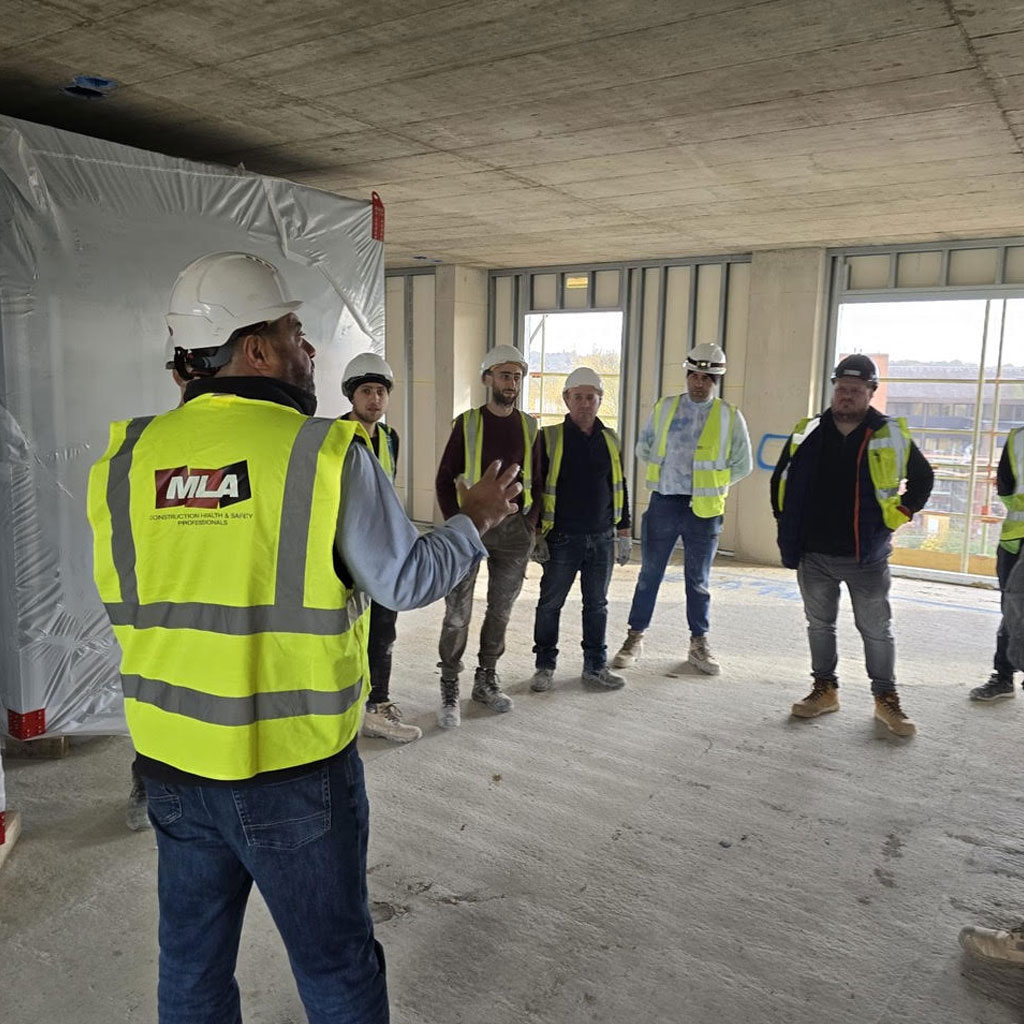
The Importance of Construction Safety Regulations
Construction safety regulations exist to protect workers, the public, and the environment. They set minimum standards for risk management, training, equipment use, and site organisation. When followed correctly, these rules reduce accidents, prevent fatalities, and improve overall project outcomes.
Beyond protecting people, compliance also safeguards businesses. Failure to meet regulatory ...
... requirements can result in fines, project delays, legal action, reputational damage, and loss of contracts—especially on large or international projects where scrutiny is high.
Understanding Local UK Construction Safety Requirements
In the UK, construction safety is governed by a robust legal framework. The Health and Safety at Work Act 1974 provides the foundation, requiring employers to ensure, so far as reasonably practicable, the health, safety, and welfare of employees and others affected by their work.
More specifically, construction projects must comply with the Construction (Design and Management) Regulations (CDM). These regulations apply to projects of all sizes and place clear duties on clients, designers, and contractors. Key requirements include risk assessment, coordination between duty holders, worker competence, and the preparation of health and safety documentation.
Local authorities and regional enforcement bodies also play a role in supporting compliance. Services linked to Health and Safety Essex and Health and Safety Kent, for example, help organisations interpret regulations, carry out inspections, and maintain safe working practices tailored to regional needs.
International Construction Safety Standards
When working on international projects, construction firms often encounter different legal systems, enforcement approaches, and cultural attitudes to safety. While the core goal—protecting workers—remains the same, the methods and expectations can vary widely.
International standards such as ISO 45001 (Occupational Health and Safety Management Systems) are commonly used to create consistency across borders. These frameworks help organisations identify hazards, manage risks, and continuously improve safety performance regardless of location.
However, international compliance is not as simple as adopting a single standard. Companies must also meet local laws in the host country, which may include specific requirements for training, permits, equipment certification, or reporting. Successful organisations take a blended approach, aligning global safety policies with local legal obligations.
Key Challenges in Navigating Multiple Regulations
One of the biggest challenges in managing local and international safety regulations is complexity. Regulations may use different terminology, require different documentation, or set varying thresholds for risk control. Without careful coordination, this can lead to confusion or gaps in compliance.
Language barriers, time zone differences, and varying levels of regulatory enforcement also add complexity. In some regions, safety culture may be less mature, requiring additional training and supervision to ensure standards are met consistently.
Another challenge is maintaining accountability across multiple contractors and subcontractors. Each party may be subject to different regulatory expectations, making coordination and communication critical.
The Role of Planning and Risk Management
Effective planning is the cornerstone of regulatory compliance. Before work begins, organisations should conduct detailed risk assessments that consider both local and international requirements. These assessments help identify hazards, determine control measures, and define responsibilities clearly.
Documentation plays a key role as well. Method statements, safety plans, and training records demonstrate compliance and provide practical guidance for workers on site. Regular reviews ensure that safety measures remain effective as projects evolve.
Competent leadership is also essential. Appointing qualified professionals, such as a CDM Consultant, helps ensure that regulatory duties are understood and fulfilled throughout the project lifecycle. Their expertise supports coordination, compliance, and risk reduction from design through to completion.
Training and Communication Across Borders
Training is a universal requirement in construction safety, but it must be adapted to suit different regulatory environments. Workers should receive clear, accessible training that reflects both company standards and local legal requirements.
Communication is equally important. Safety information must be shared in a way that all workers can understand, regardless of language or cultural background. Clear signage, toolbox talks, and regular briefings help reinforce expectations and encourage safe behaviour.
Encouraging worker involvement also strengthens compliance. When workers feel empowered to raise concerns or report hazards, organisations gain valuable insight into real-world risks on site.
Building a Unified Safety Culture
Navigating local and international regulations successfully requires more than legal knowledge—it requires a strong, unified safety culture. This means prioritising safety at every level of the organisation, from senior management to site operatives.
A consistent safety culture ensures that high standards are maintained even when regulations differ. It promotes accountability, continuous improvement, and shared responsibility for wellbeing.
Conclusion
Navigating local and international construction safety regulations is a complex but essential task. By understanding UK requirements, aligning them with international standards, planning effectively, and investing in competent support and training, organisations can manage risk and remain compliant across borders.
Ultimately, strong safety management protects people, supports project success, and demonstrates professionalism in an increasingly global construction industry. When safety is treated as a core value rather than a legal burden, everyone benefits—from workers on site to clients and communities worldwide.
Add Comment
Health Articles
1. How To Get An Accurate Dental Extraction Cost Estimate?Author: Ansley Colton
2. Mercy House Texarkana
Author: Lisa Smith
3. Root Canal Treatment In Patna: A Smart Approach To Treating Tooth Pain
Author: amit kumar
4. Top Benefits Of Knee Arthroscopy | Orthopedic Doctor In Hsr Layout
Author: Harshitha
5. The Growing Importance Of Mental Health In A Fast-paced World
Author: Alok
6. Building A Career In Yoga: Skills, Opportunities, And The Right Training Path
Author: Rishikesh Yoga Ashram
7. What Is Oculomics? How The Retina Can Reveal More Than Eye Health
Author: Phani
8. Cosmetic Surgery In Chicago And Oak Brook: Choosing The Right Plastic Surgeon
Author: Ciplasticsurgery
9. 24-hour Care Vs Live-in Care: What’s The Difference?
Author: Jean-Marie
10. What Does An Early Anomaly Scan Check In Pregnancy?
Author: Niya Imaging & Diagnostic Center
11. Eu Qppv Services For Pharmaceutical Companies: What Marketing Authorization Holders Need To Know
Author: zenovel pharma
12. Best Dermatologist In Banjara Hills For Skin, Hair And Laser Treatments
Author: Maheswari11
13. Physiotherapy Care For Recovery And Improved Movement
Author: Oakville Physiotherapy Centre
14. Healthy Ageing With Ayurveda: A Personalized Approach To Longer, Better Living
Author: Kairali – The Ayurvedic Healing Village
15. Eye Specialist Doctor In Thane For Healthy Eyes
Author: Anil Eye Hospital