


ALL >> Food,-Cooking-and-Drink >> View Article
How Beer Adjuncts Revolutionize Brews


Beer is a beverage steeped in tradition, dating back thousands of years to ancient civilizations. While the basic ingredients of beer—water, malt, hops, and yeast—have remained relatively constant, brewers have continually experimented with a variety of adjuncts to create unique and exciting flavors.
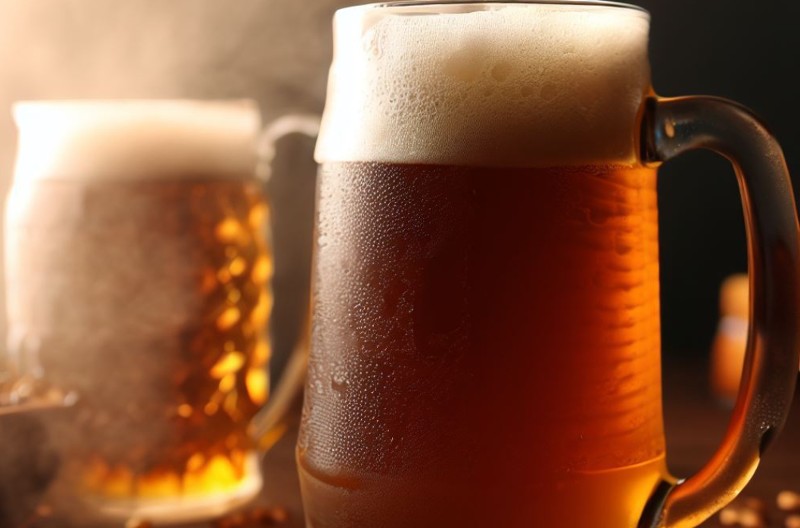
Beer adjuncts are non-traditional ingredients added to the brewing process, offering a diverse range of flavors, aromas, and textures to the final product. In this article, we'll delve into the fascinating world of beer adjuncts, exploring their history, types, and how they enhance your favorite brews.
A Brief History of Beer Adjuncts
The use of adjuncts in beer brewing has a long and storied history. In the early days of brewing, adjuncts were often added out of necessity rather than choice. Brewers utilized available grains, such as corn, rice, oats, and wheat, to stretch their malt supply and produce more beer. These ingredients became common adjuncts and were even ...
... used in classic beer styles like American lagers.
During times of scarcity, alternative sources of fermentable sugars were crucial to keep beer production alive. As the beer industry evolved, so did the use of adjuncts. Brewers began to experiment with various fruits, spices, herbs, and other non-traditional ingredients to create distinctive flavors and aromas.
Types of Beer Adjuncts
Grains
Grains like rice, corn, oats, and wheat are among the most commonly used adjuncts in brewing. They can contribute to a smoother mouthfeel, a lighter color, and a crisper taste in certain beer styles.
Sugars
Sugars like honey, maple syrup, and brown sugar can provide fermentable sugars that boost alcohol content and add unique flavors and aromas to the beer.
Fruits
Fruits such as cherries, raspberries, and oranges are often added to create fruity and tart notes in beer. They are commonly used in Belgian-style lambics and wheat beers.
Spices and Herbs
Adjuncts like coriander, ginger, cinnamon, and cloves can introduce complex and spicy flavors to beer. These are often used in Belgian wits, saisons, and holiday ales.
Coffee and Chocolate
Coffee beans and cacao nibs are popular adjuncts in stouts and porters, adding rich, roasted, and chocolatey notes to the brew.
Wood
Wood adjuncts, such as oak chips or barrels, are used to age beer and infuse it with woody, vanilla, and smoky flavors. This technique is common in barrel-aged beers like bourbon-barrel-aged stouts.
Peppers
Adjuncts like chili peppers can provide a spicy kick to certain beer styles, enhancing their complexity and adding a touch of heat.
How Adjuncts Enhance Beer
Beer adjuncts offer brewers a canvas upon which to paint a myriad of flavors and aromas. They can:
Enhance Complexity
Adjuncts can add layers of complexity to a beer, making it more intriguing and enjoyable for the palate.
Create Unique Styles
Adjuncts have played a significant role in the development of distinct beer styles, such as fruit beers, pumpkin ales, and coffee stouts.
Balance Flavors
Some adjuncts, like grains and sugars, can balance out the bitterness of hops and malt sweetness, resulting in a more harmonious beer.
Add Aromatics
Spices, herbs, and fruits can introduce enticing aromas that complement the overall tasting experience.
Encourage Creativity
Brewers continuously experiment with adjuncts to create innovative and exciting brews that push the boundaries of traditional beer styles.
Conclusion
Beer adjuncts have evolved from mere survival tools in the early days of brewing to powerful tools for creativity and flavor enhancement in modern craft brewing. They offer brewers the opportunity to craft beers with a wide array of flavors, textures, and aromas, appealing to a diverse range of tastes and preferences.
So, the next time you enjoy a unique and flavorful beer, take a moment to appreciate the artistry of beer adjuncts that have made it possible. Whether it's a fruity wheat beer, a spicy saison, or a rich coffee stout, these additions have expanded the world of beer into a truly delightful and diverse universe.
Hello, this is Baleshwar Yadav I am a Mechanical Engineer. I am very found of writing articles and reading them. My hobbies are reading books and writing articles.
Add Comment
Food, Cooking and Drink Articles
1. Engineering Education In Jaipur: Courses, Skills, And Career Opportunities After BtechAuthor: Deepshikha College
2. Professional Event Catering In Muscat: Creating Memorable Experiences Through Exceptional Food And Service
Author: Shan globo
3. No Compromise On Health: How Meal Maharaj Brings “freshly Cooked Meals” To Your Office Desk
Author: Meal Maharaj
4. How Immunity Booster Flour Fits Into A Balanced Daily Diet
Author: Auric Mills
5. Discover Flavorful Meals And Sweet Treats
Author: culver`s menu
6. Why High Protein Vegan Foods Are A Game-changer For Fitness Enthusiasts
Author: Nadura Foods
7. Virasat And India’s Premium Spirits Industry: A Journey Of Heritage, Quality And Innovation
Author: Gaurav Gupta
8. Virasat: Celebrating Heritage And The Evolution Of India’s Premium Spirits Industry
Author: Ajay
9. Indian Food For Events That Bring People Together
Author: Tamashaa Indian Restro Bar
10. Virasat: Redefining Heritage And Innovation In India’s Premium Spirits Market
Author: Ajay
11. Virasat And The Future Of India’s Premium Spirits Industry
Author: Gaurav Gupta
12. Virasat: Heritage And Innovation In India’s Premium Spirits Market
Author: Ajay
13. What Does Your Meal Cost?
Author: culver`s menu
14. India’s Premium Spirits Market: Heritage, Quality And Changing Consumer Preferences
Author: Ajay
15. The Rise Of Premium Spirits In India: Craft, Character And Consumer Choice
Author: Ajay